Swedish Experience – Discover Heritage, Taste, and Contemporary Style
Sweden’s cultural heritage has long been admired for its unique combination of tradition and innovation. From historic architecture to centuries-old crafts, the country boasts a rich tapestry of practices preserved over generations. According to recent studies, over 70% of Swedish (스웨디시) adults actively engage in cultural or heritage-related activities, reflecting a strong societal value placed on history and tradition. Museums, historical sites, and artisan workshops play a pivotal role in keeping this heritage alive, while also educating younger generations about Sweden’s past.
What Makes Swedish Culinary Traditions Stand Out?
Swedish cuisine is more than just a collection of recipes; it’s a reflection of the nation’s geography, climate, and history. Recent food surveys indicate that traditional dishes, such as pickled herring, meatballs, and crispbread, remain staples in more than 60% of Swedish households. However, contemporary twists on these classics are increasingly popular, with chefs blending locally sourced ingredients and modern techniques. Sustainable food practices also shape the culinary landscape, with 80% of Swedes showing a preference for locally produced or organic ingredients. This combination of tradition and sustainability has made Swedish cuisine globally appealing.
How Does Swedish Design Influence Modern Lifestyles?
Swedish design is synonymous with minimalism, functionality, and elegance. Data from international design studies suggest that Scandinavian interior trends, particularly Swedish-inspired designs, are present in 40% of modern homes worldwide. Clean lines, natural materials, and practical aesthetics dominate both furniture and fashion, reflecting a lifestyle that values efficiency without sacrificing beauty. This design philosophy extends beyond homes; urban planning and public spaces in Sweden emphasize accessibility, environmental sustainability, and aesthetic harmony, making everyday life both practical and visually pleasing.
Why Are Swedish Festivals and Traditions Important Today?
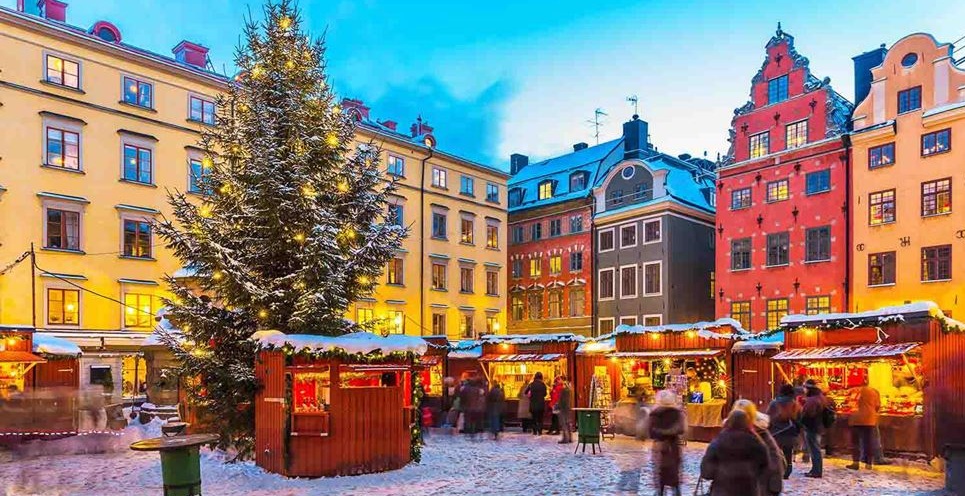
Festivals remain a central aspect of Swedish culture, linking communities to both historical and seasonal cycles. Surveys show that 65% of Swedes participate in national celebrations such as Midsummer and Lucia, often combining traditional rituals with modern activities. These events reinforce social cohesion while promoting cultural education. Additionally, festivals have become a point of international interest, attracting thousands of tourists annually and boosting local economies. The emphasis on collective experience and cultural pride ensures that these traditions are not just preserved but actively enjoyed by contemporary society.
How Is Modern Sweden Balancing Tradition and Innovation?
Sweden demonstrates a remarkable ability to integrate heritage with innovation. Statistical data indicates that over 50% of Swedish enterprises in creative industries, including fashion, design, and food, incorporate traditional methods into modern production processes. This synergy allows Swedish brands and artisans to remain competitive internationally while maintaining authenticity. Furthermore, government policies actively support cultural preservation alongside technological advancement, encouraging industries to innovate without losing touch with historical roots.
What Can Visitors Learn from Experiencing Sweden?
Travelers exploring Sweden can witness firsthand how tradition and modernity coexist harmoniously. From tasting classic recipes with a contemporary twist to experiencing minimalist designs in urban spaces, visitors gain insights into a culture that values both history and innovation. Interactive museums, local markets, and cultural festivals provide immersive experiences supported by data-driven insights into visitor engagement, showing that the Swedish approach appeals to a wide demographic.
Conclusion: Why Choose the Swedish Experience?
The Swedish experience offers a unique blend of heritage, taste, and contemporary style that is both measurable and memorable. Statistics highlight active participation in cultural, culinary, and design practices, emphasizing the country’s commitment to preserving tradition while embracing modernity. For individuals seeking inspiration, learning, and authentic experiences, Sweden represents a model where past and present meet seamlessly.