Dr. Steven Shannon and the Next Generation of Orthopedic Trauma Solutions
How is innovation changing the direction of orthopedic trauma care?
Orthopedic trauma medicine is entering a new era where innovation, precision, and patient-centered strategies are redefining treatment standards. Advances in medical technology, improved surgical planning, and comprehensive recovery programs are helping specialists manage challenging injuries more effectively. The expertise connected with Dr Steven Shannon demonstrates how professional knowledge and modern healthcare approaches contribute to the continuous improvement of orthopedic trauma services. Current healthcare statistics show increasing emphasis on solutions that improve recovery quality, reduce complications, and support better functional outcomes.
What are the major trends shaping orthopedic trauma services?
Several important trends are influencing the future of orthopedic trauma care. Enhanced diagnostic methods allow specialists to identify injuries more accurately, while advanced surgical techniques provide opportunities for improved treatment results. Healthcare data indicates that personalized care models are becoming increasingly valuable because every injury presents unique challenges requiring customized solutions.
Another significant trend is the growing importance of rehabilitation-focused treatment. Successful trauma care is no longer limited to surgical correction alone. Recovery planning, physical restoration, and continuous monitoring are essential elements that help patients return to daily activities. This integrated approach reflects the changing priorities of modern orthopedic healthcare.
Why does experience matter in complex trauma cases?
Complex orthopedic injuries require extensive understanding, careful decision-making, and a detailed evaluation process. Specialists must consider multiple factors, including injury complexity, patient health conditions, and long-term mobility expectations. Professionals like Dr Steven Shannon represent the importance of combining experience with innovative techniques to deliver effective orthopedic trauma management.
Research-based healthcare practices demonstrate that specialized knowledge can contribute to improved treatment planning and more predictable recovery pathways. As medical systems continue to advance, orthopedic trauma experts are expected to remain essential in developing strategies that improve patient care standards.
How are technology and research improving orthopedic outcomes?
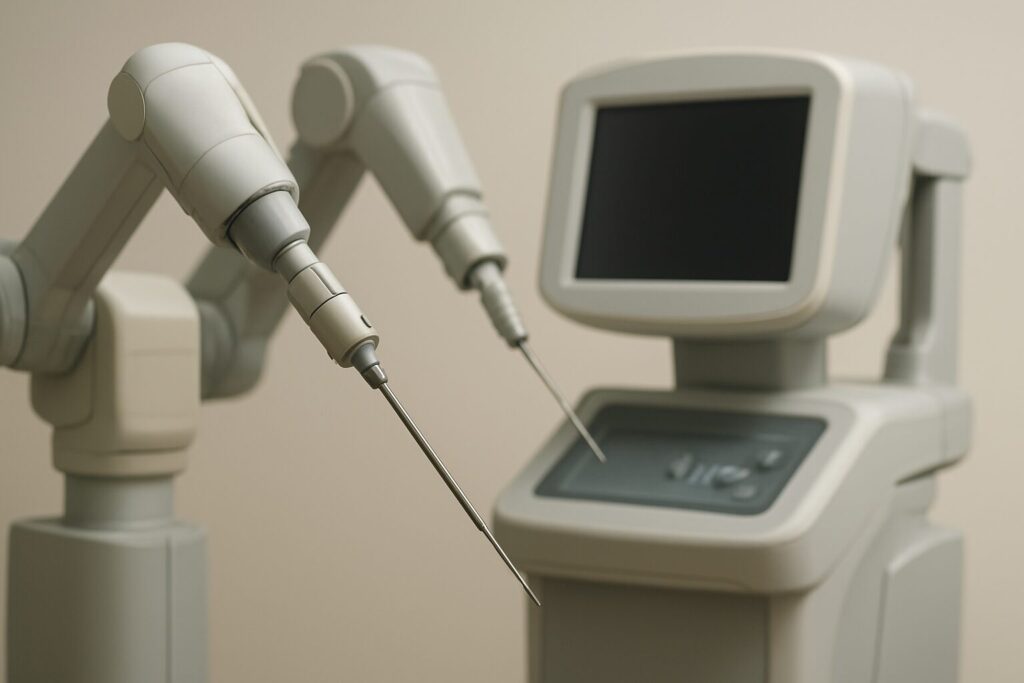
Technology plays a vital role in the advancement of orthopedic trauma treatment. Modern tools support accurate diagnosis, detailed surgical preparation, and improved monitoring throughout the recovery process. Research initiatives continue to explore methods that enhance healing, optimize procedures, and provide more efficient care experiences.
Future developments are expected to include greater use of personalized treatment models, advanced rehabilitation methods, and data-supported decision-making. These improvements may allow healthcare providers to create more precise solutions for a wide range of orthopedic challenges.
What does the future look like for orthopedic trauma patients?
The future of orthopedic trauma care is focused on achieving better outcomes through innovation, collaboration, and patient involvement. Healthcare professionals are increasingly working toward treatment systems that address both medical needs and personal recovery goals. This approach creates a more complete understanding of successful healing.
As orthopedic medicine continues to progress, the combination of research, technology, and specialized expertise will remain critical. The professional contributions associated with Dr Steven Shannon highlight the ongoing evolution of trauma care and the importance of adopting advanced strategies for future healthcare challenges. With continued innovation, orthopedic trauma services are expected to become more accurate, efficient, and focused on improving patient quality of life.