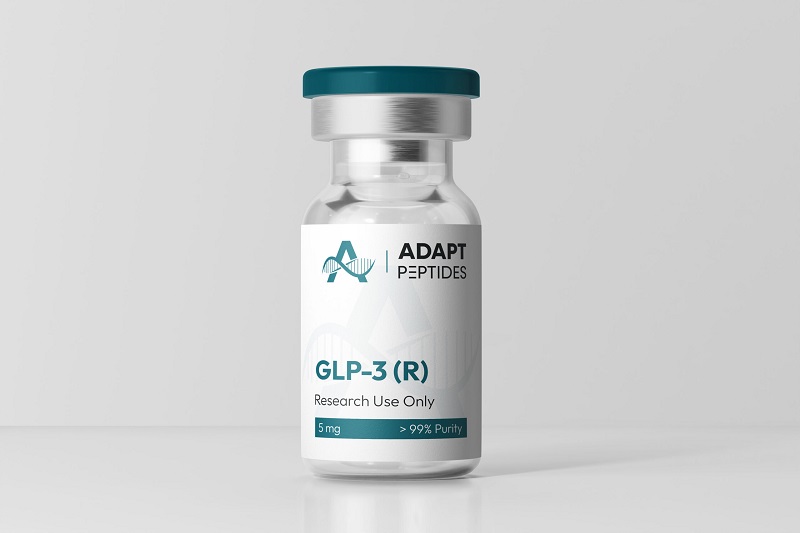
GLP-3 Retatrutide Innovative Research Peptide Designed for Next-Generation Laboratory Studies
Why are laboratories in the USA turning their focus toward GLP-3 peptides for advanced research?
As scientific exploration evolves, researchers are seeking molecules that provide both specificity and reproducibility for cutting-edge studies. GLP-3 peptides offer unique advantages in studying metabolic pathways, receptor signaling, and therapeutic potential. Their stability and precise bioactivity allow laboratories to conduct experiments with a high level of confidence, contributing to the advancement of preclinical and translational research.
What makes it beneficial to glp 3 retatrutide a standout choice for next-generation studies?
Glp 3 retatrutide combines high purity, verified sequence integrity, and robust bioactivity, making it ideal for rigorous laboratory investigations. Researchers benefit from peptides that are synthesized under stringent quality control, ensuring each batch meets professional-grade standards. This reliability allows U.S. laboratories to design complex experiments, replicate results across multiple studies, and explore innovative applications with minimal variability or risk of experimental error.
How does high purity impact experimental reliability in peptide research?
The purity of peptides is crucial for achieving reproducible and meaningful results. Impurities, even in trace amounts, can alter protein interactions, enzyme kinetics, or cellular responses. High-purity GLP-3 Retatrutide eliminates these variables, ensuring that experiments accurately reflect the intended biological activity. For laboratories in the United States, this translates into trustworthy data, smoother research workflows, and stronger confidence in study outcomes.
Why is GLP-3 Retatrutide particularly relevant in metabolic and therapeutic studies?
GLP-3 Retatrutide peptides mimic specific biological pathways involved in metabolic regulation and energy homeostasis. Their precise structure enables researchers to study receptor interactions, hormone signaling, and therapeutic responses with high specificity. This makes GLP-3 Retatrutide a valuable tool in preclinical research for evaluating potential treatments for metabolic disorders, offering insights that can inform the next generation of therapeutics.
How do researchers ensure reproducibility when using GLP-3 Retatrutide?
Reproducibility is supported by consistent peptide quality and detailed batch documentation. Reliable suppliers provide certificates of analysis, purity reports, and sequence verification, ensuring each peptide meets exact specifications. Laboratories can confidently replicate studies, collaborate across institutions, and validate findings with accuracy, which is essential for advancing research and achieving scientific credibility in the USA.
What role does analytical verification play in next-generation peptide studies?
Advanced analytical techniques, such as high-performance liquid chromatography (HPLC) and mass spectrometry, confirm peptide identity, purity, and molecular weight. By using GLP-3 Retatrutide verified through these methods, researchers eliminate uncertainty in their experiments and ensure that observed biological effects are attributable to the intended compound. This level of precision is particularly important in translational research, where experimental outcomes guide potential clinical applications.
How does professional-grade peptide delivery support laboratory efficiency?
GLP-3 Retatrutide requires careful handling and transport to maintain stability and bioactivity. Professional suppliers implement cold-chain shipping, secure packaging, and rapid delivery to ensure peptides arrive intact and ready for experimentation. This efficiency allows U.S. laboratories to focus on experimental design and data collection without delays or concerns about material degradation, enhancing productivity and research output.
Why is GLP-3 Retatrutide considered a versatile tool for innovative research?
Its high specificity, structural stability, and reproducible activity make GLP-3 Retatrutide applicable in multiple experimental settings. Researchers can explore receptor interactions, signal transduction pathways, and metabolic mechanisms using a single, well-characterized peptide. This versatility supports a wide range of studies, from fundamental molecular biology to advanced therapeutic research, positioning laboratories to contribute to next-generation scientific discoveries.
How do trusted suppliers enhance the impact of GLP-3 Retatrutide research?
Suppliers committed to rigorous quality standards provide detailed documentation, batch consistency, and technical support. This ensures that U.S. laboratories receive reliable peptides for their experiments, reducing variability and supporting high-quality data generation. Access to verified, professional-grade GLP-3 Retatrutide empowers researchers to push boundaries in innovative studies while maintaining the integrity of their scientific findings.
In conclusion, glp 3 retatrutide offers U.S. laboratories a high-purity, professionally verified peptide designed for next-generation research. Its stability, reproducibility, and precise bioactivity make it a powerful tool for investigating metabolic pathways, receptor signaling, and therapeutic potential. By sourcing from trusted suppliers, researchers gain reliable materials that support advanced experiments, accelerate scientific discovery, and enhance confidence in results, establishing GLP-3 Retatrutide as a cornerstone for innovative laboratory studies.